



Most players lose money at online casinos for one reason that has nothing to do with luck: they don't understand what they're actually playing. They hop between a 96% RTP slot and a 94% one because the theme looks cooler, or they sit at a 6:5 blackjack table thinking it's the same game as the 3:2 table next to it. The math doesn't care about your gut feeling. It just quietly grinds your bankroll down, hand after hand, spin after spin.
This piece is about the mechanics underneath the flashing lights. Not tips to "beat the system" — that's nonsense — but the concrete numbers and decisions that separate a player who lasts six months from one who lasts six minutes.
RTP Is Not Volatility, and Confusing Them Costs You
Every regulated slot publishes a Return to Player percentage, usually somewhere between 94% and 97%. A slot with 96% RTP returns, on average, €96 for every €100 wagered — over millions of spins. That €4 gap is the house edge, and it's non-negotiable.
What players constantly miss is that RTP says nothing about how that money comes back. That's volatility, and it changes everything about how a session feels.
- Low volatility (think Starburst): frequent small wins, RTP often around 96.1%. Your balance drifts down slowly. Good for grinding bonuses with wagering requirements.
- Medium volatility (most Pragmatic Play releases): the sweet spot for casual sessions. Wins arrive often enough to keep you engaged without massive swings.
- High volatility (Money Train 3, San Quentin): you can spin 400 times without a meaningful hit, then land a 5,000x. RTP might be 96.5%, but your bankroll needs to survive the drought to see it.
Here's the practical takeaway: if you have €50 and pick a high-volatility slot, you're not playing a 96% game — you're playing a coin flip on whether you bust before the bonus triggers. Match volatility to your bankroll, not your mood.
The Blackjack Rule That Doubles the House Edge
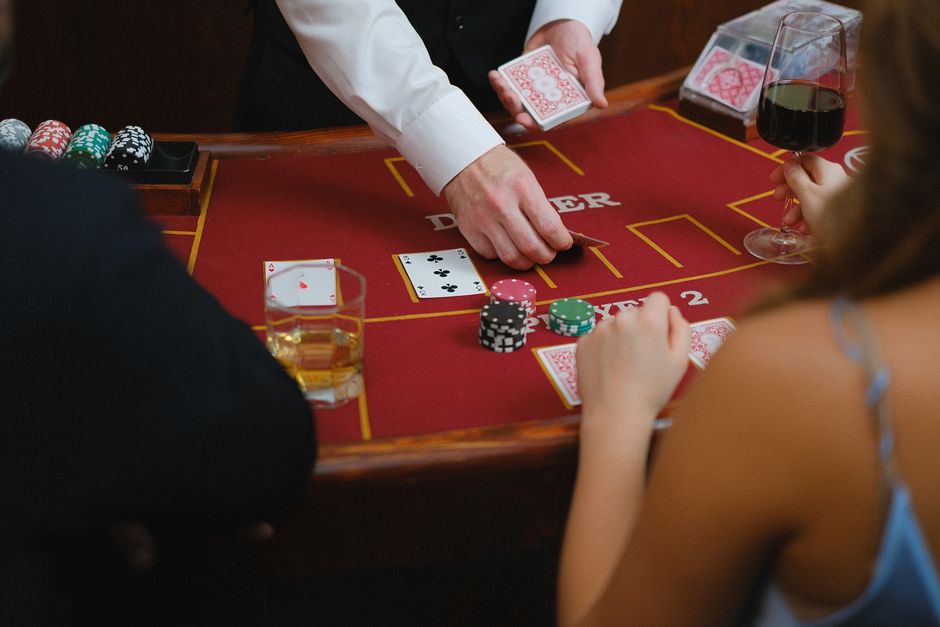
Blackjack is one of the few casino games where player decisions genuinely matter, and the payout structure is the clearest example. A 3:2 blackjack pays €15 on a €10 bet. A 6:5 blackjack pays €12. Same game, same rules otherwise — but that single change pushes the house edge from roughly 0.5% to about 1.8% with basic strategy. You can read more about it on สล็อต.
Over 500 hands at €10 each, that's the difference between losing around €25 and losing around €90 in expected value. For a decision you make in three seconds by reading the table felt, that's a brutal trade.
Other rules worth scanning before you sit down:
- Does the dealer hit or stand on soft 17? Hitting adds about 0.2% to the house edge.
- Can you double after splitting? If not, that's another 0.14% gone.
- How many decks? Single-deck games are rare online, but fewer decks means a lower edge if all else is equal.
- Is surrender offered? Late surrender shaves about 0.07% off the house edge for a player using it correctly.
You don't need to memorize a 200-cell strategy chart to benefit from this. Just learn basic strategy for the common hands and refuse to play 6:5 tables. That alone puts you ahead of roughly 90% of casual players.
Poker: The Only Game Where You Play the Opponent
Everything above is about minimizing losses against a fixed mathematical edge. Poker is different. Against other players, the house takes a rake and steps back — you're not fighting the casino, you're fighting the humans across the table, and humans leak information constantly.
A few reads that pay for themselves again and again:
- Bet sizing tells. A player who bets 20% pot on the river after checking twice is usually either blocking or bluffing cheaply. A player who overbets 150% pot is polarized — nutted hand or air. Most low-stakes players underbluff in that spot, so fold your marginal hands.
- Timing tells. Instant calls on scary boards often mean a draw that whiffed. Long tanks on safe boards usually mean a medium hand deciding whether it's good. This is softer online than live, but still real in micro-stakes.
- Limping frequency. In a 6-max cash game, a player who limps 40% of hands is a calling station. Isolate them with a wide range and value-bet thinner than you would against a regular.
The rake is the real opponent in low-stakes poker. At 5% capped at €3, a €0.50/€1 game with six players sees roughly €3–€5 removed per hand. Over 100 hands an hour, that's €300–€500 leaving the table — you need to be meaningfully better than your opponents just to break even. This is why micro-stakes grinders move up quickly or quit.
Bonuses: Read the Wagering Requirement, Not the Headline
A €500 bonus sounds fantastic until you see "40x wagering on slots, 100x on table games, 30-day expiry." Run the math: €500 × 40 = €20,000 you need to wager before withdrawing. At a 96% RTP slot, that's €800 in expected losses. The bonus isn't worth €500 — it's worth roughly negative €300.
Better-structured offers share a few traits:
- Wagering under 35x, and specifically under 30x for slots.
- No maximum cashout clause (or a high one — €500+, not €100).
- Table games contribute at least 20%, not 5% or 10%.
- No game-weighting tricks that exclude the titles you actually play.
Free spins with no wagering are almost always worth taking. Deposit bonuses with 50x wagering and a €50 max cashout? Skip them and keep your play pattern clean.
Putting It Together
The pattern across all of this is the same: the edges are small in any single hand but massive over a session, a month, a year. A 1.3% swing in blackjack house edge is invisible on hand one and obviously ruinous by hand 500. A 20x difference in wagering requirement turns a bonus from a gift into a trap.
You don't need to be a card counter or a poker solver to play well. You need to read the rules before you deposit, match volatility to your bankroll, refuse the worst pay tables, and treat bonuses as math problems instead of gifts. That's the entire edge, and it's available to everyone willing to spend ten minutes reading the fine print instead of chasing the next jackpot.