


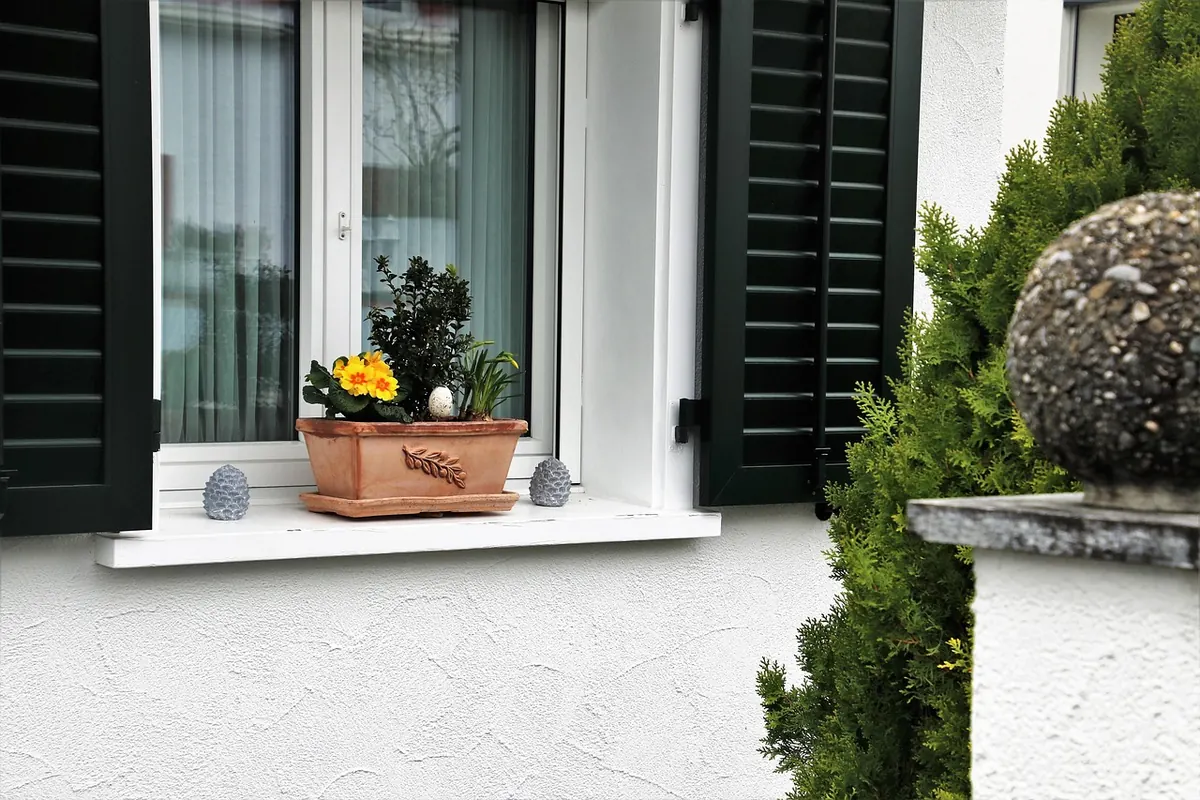
Small gardens are judged in winter. In July everything looks generous: the roses, the annuals, the tomatoes sprawling across the path. By January the beds are bare sticks and the plot somehow looks smaller than it did in summer. Evergreens fix that. They hold the shape of a garden when nothing else will, and in a courtyard or on a balcony they often do three jobs at once — screening, structure and something worth looking at from the kitchen window.
The catch is that most evergreen shrubs on a garden centre bench will eventually outgrow a small plot. The eight below stay compact, tolerate clipping and ask for very little. Where a plant has a habit worth knowing about, it is worth saying so plainly before you spend money on it.
What to check before you buy
Labels give a mature height and spread, but treat them as a rough guide rather than a promise. A shrub in poor, dry soil may never reach the printed size, while the same plant in good loam can sail straight past it. In a bed only 60cm deep, you want to be reasonably sure of what you are inviting in.
- Mature spread, not pot size. A shrub in a two-litre pot is a baby. Look at the eventual width first, because that is what will block your path.
- Growth rate. Slow growers cost more but need less work. Fast growers forgive neglect and then punish you for it every June.
- Soil and light. Ericaceous plants such as skimmia will sulk in chalky soil. Match the plant to the spot rather than trying to change the spot.
- Response to pruning. Some shrubs regrow happily from old wood; others, including most hebes, produce nothing but stumps if you cut too hard.
- Container suitability. Anything destined for a balcony needs to cope with roots that freeze, bake and dry out in the space of a season.
Evergreens for shade and winter scent
Skimmia japonica 'Rubella'
A male clone, so no berries, but the tight clusters of red-tinged buds that sit through autumn and open to white flowers in spring are worth more than fruit. It stays around 60–90cm in a neat dome. Give it shade or partial shade and soil that is neutral to acidic — ericaceous compost in a pot is ideal. Water pots with rainwater if you can, since hard tap water gradually pushes the pH the wrong way.
Sarcococca confusa
Sweet box is the plant for the dark corner nobody knows what to do with. It tolerates dry shade under trees, keeps glossy leaves all year, and in midwinter produces small white flowers with a honey scent that carries further than you would expect. Black berries follow. Grow it near a door or along a path where you will actually notice the scent, and clip it lightly after flowering if it needs tidying.
Daphne × transatlantica 'Eternal Fragrance'
Compact, well-behaved and flowering on and off from spring into summer, with pink buds opening to white. The scent is the reason to grow it. Daphnes have a reputation for sulking, and it is mostly deserved: they hate being moved, hate wet feet and dislike disturbance around the roots. Plant it once, in sun or light shade with sharp drainage, mulch around it without touching the stems, and then leave it alone.
Neat evergreens for edges and clipping
Ilex crenata
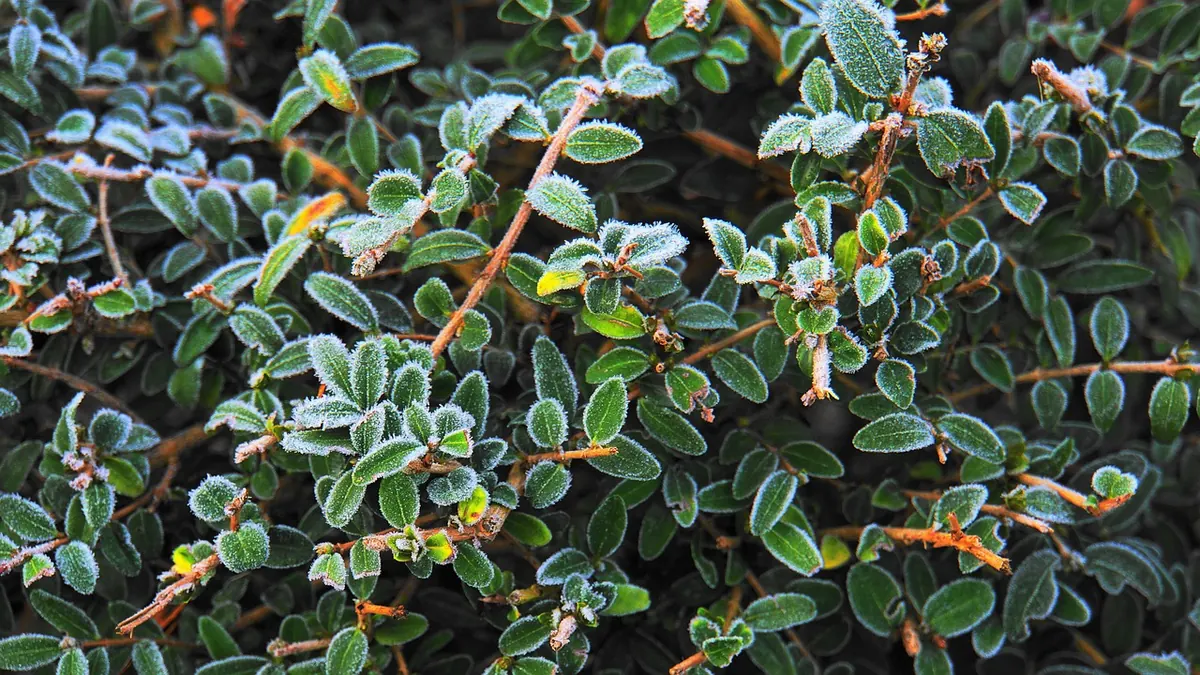
Japanese holly has small, rounded, glossy leaves and takes clipping as well as box ever did — without the blight and box moth problems that have made traditional Buxus such a gamble. It is slow, so buy the size you want rather than waiting years for it to fill a gap. Trim in late summer, keep it out of baking-dry soil, and it will make a low hedge or a rounded specimen for decades.
Euonymus japonicus 'Green Spire'
Narrow, upright and useful in the awkward strip beside a gate or against a wall, reaching roughly 1.5m if left alone and staying much lower if clipped. It shrugs off coastal wind, poor soil and full sun. 'Microphyllus' is the smaller-leaved alternative for a low formal edge. Trim in late spring or early summer, and avoid cutting in frost.
Colour and texture for pots and balconies
Pittosporum tenuifolium 'Tom Thumb'
Deep purple-black, wavy leaves on a slow-growing shrub that rarely exceeds a metre. Full sun brings out the darkest colour, and it clips into a dense, dark ball for a container. It needs shelter from cold, drying wind, and in a hard winter it can lose foliage; a protected corner, or a pot you can move against a wall, makes a real difference.
Hebe rakaiensis
A low dome of tiny green leaves, smothered with white flowers in early summer. It is happiest in sun with gravel-sharp drainage, which makes it a natural for pots, raised beds and the front of a border. Hebes dislike sitting wet through winter far more than they dislike cold. Prune lightly after flowering, and never cut back into bare old wood.
Nandina domestica 'Firepower'
Bamboo-like stems and leaves that turn red and purple in cold weather, giving a small plot its only real winter colour. It grows to about 60cm, prefers moist but well-drained soil, and colours best in sun. It is slow and tidy enough for a pot, and can be cut back in spring if it gets leggy.
Planting and aftercare that makes the difference
Autumn and early spring are the best planting windows, while the soil is warm and damp but not frozen. The rest comes down to a handful of habits:
- Improve drainage before you dig the hole. On clay, plant slightly proud on a mound of grit-and-compost mix rather than sinking the rootball into a sump.
- Set the shrub at the same depth it was growing in its pot. Planting deep kills more evergreens than cold ever does.
- Water thoroughly, then water weekly through the first two summers. Newly planted evergreens fail in drought far more often than in winter.
- Mulch with 5cm of bark or leaf mould, keeping it clear of the stems.
- Feed once in spring with a slow-release shrub feed. Overfeeding produces soft growth that frost will punish.
Pruning follows one simple rule: if it flowers in spring, prune straight after flowering; if you grow it purely for foliage, prune in late spring or midsummer and stop well before frost. In containers, repot or top-dress every second year, stand pots on feet so water drains freely, and remember that a pot dries out about three times faster than a border.
An evergreen in the wrong place is a permanent problem. In the right one, it is the quiet part of the garden that makes everything else look better.
Start with three, not eight
Choose a maximum of three from this list for your first season, and repeat them. A small garden reads as a designed space when the eye meets the same plant again and again; eight different shrubs in a courtyard looks like a collection, not a garden. Pick one taller evergreen for a corner or a doorway, then use a lower, clippable one to run along the edge and tie the space together.
Underplant with spring bulbs — snowdrops, dwarf narcissi, cyclamen — so the ground has its own moment while the evergreens hold the frame. Once those three have settled in and you can see how much room they really take, there will be space for a fourth. Small gardens reward patience far more than they reward a full trolley.
Photo: Mylene2401 / Pixabay