


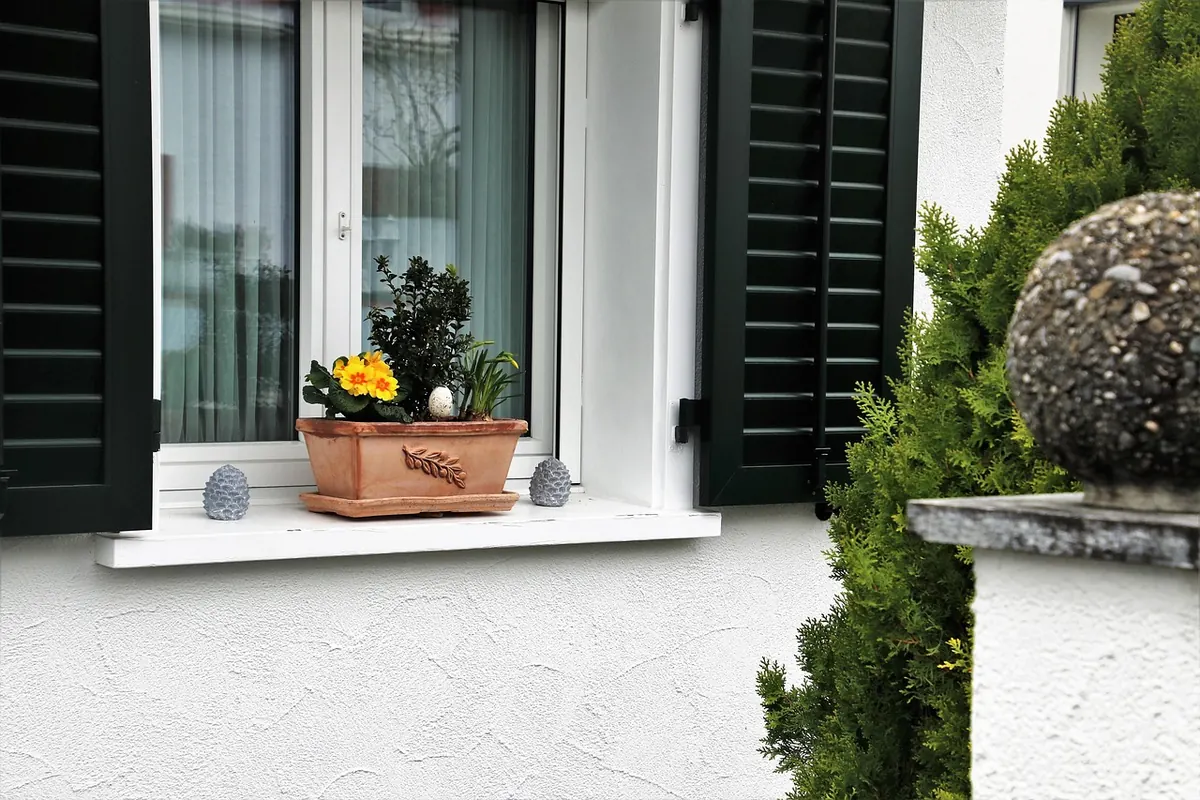
A kitchen windowsill is the shortest route from growing plant to dinner plate. Two steps, a pair of scissors, and you have fresh basil on the tomatoes instead of a sad bag of leaves at the back of the fridge. It is also one of the most awkward places to grow anything. Light comes from one side only. There is often a radiator directly underneath. The window may be draughty in February and scorching in July, and the watering can gets forgotten for a week and then emptied all at once.
None of that means you should give up. It means matching the herb to the spot, and being honest about the ones that will never be happy there.
Which herbs genuinely cope indoors
Soft, leafy herbs are the reliable ones: basil, flat-leaf parsley, chives, mint, dill and coriander. They grow quickly, forgive the odd missed watering, and give you something to cut within weeks. Coriander is the exception in temperament — it bolts and sulks if it gets too warm, so sow a few seeds every three weeks rather than trying to keep one plant going all year.
Woody Mediterranean herbs — rosemary, thyme, oregano and sage — are a different proposition. They come from hot, dry, stony hillsides, so a steamy kitchen next to a kettle is not their natural home. They can work on a bright south-facing sill if you use gritty compost and water them sparingly, but many people find they do better in a pot outside the back door, brought in only for the coldest spells.
About those supermarket pots
Pots of basil sold as living herbs are usually thirty or forty seedlings crammed into a space meant for three. They survive on the shelf and collapse within a fortnight at home, because there is nowhere near enough soil or light for that many plants. Either divide the clump into three or four smaller pots within a day or two of bringing it home, or take cuttings and start again. Pinch out the growing tips as you do it and use the trimmings.
Light is the thing you cannot fake
Most culinary herbs want five or six hours of decent light a day. A south-facing sill gives you that for most of the year. East is workable. North is hard: growth becomes pale, spindly and slow, and the plants lean sideways towards the glass. If that is all you have, choose mint, parsley or chives and expect modest results, or buy a small LED grow light of the sort sold for seedlings. They cost little to run and see you through winter.
Two habits make a real difference. Turn your pots a quarter-turn every few days so they grow evenly. And keep them slightly back from the glass in winter: on a frosty night, leaves pressed against a single-glazed pane can freeze.
Watering: less often than you think
More herbs die of kindness than neglect. Push a finger into the compost up to the first knuckle — if it feels damp, wait. If it feels dry at that depth, water until it runs out of the drainage holes, then tip away whatever collects in the saucer within half an hour. Standing in water rots roots faster than anything else.
Beyond that, treat them as individuals. Basil wilts dramatically the moment it dries out; thyme sulks if it stays wet. Water in the morning so the surface has a chance to dry before evening, and group pots together so they create their own small humid pocket. Ignore the advice about misting — it does very little except mark the windows. In winter, when light is poor and growth has slowed, cut watering right back.
Pots, compost and feeding
- Drainage holes are non-negotiable. A pretty pot without them is a vase.
- Terracotta dries out quickly, which suits rosemary and thyme but means extra watering for basil.
- Plastic holds moisture, better for parsley, mint, chives and basil.
- Compost: a peat-free multipurpose is fine for soft herbs; add a couple of handfuls of horticultural grit or perlite for the Mediterranean ones.
- Size: 12–15cm pots for a single plant, 20cm or more for a clump.
- Feed with a weak liquid feed every fortnight in spring and summer once the compost's own nutrients are used up. Stop entirely for woody herbs in winter.
Harvesting so the plant keeps producing
Regular cutting is not a threat to the plant — it is what makes it bushy. Take no more than a third of the foliage at any one time, and cut just above a pair of leaves so new shoots form at that point.
- Basil: pinch the stem above a pair of leaves, rather than stripping a whole stem bare.
- Parsley: cut the outer stems at the base and leave the crown to keep growing.
- Chives: snip to 2–3cm above the compost and they will come again.
- Mint: cut whole stems close to the base; it is vigorous and bounces back quickly.
- Thyme and rosemary: take the soft tips only. Cutting into old, woody growth rarely produces new shoots.
When something looks wrong
- Yellowing lower leaves and a sour smell: too wet. Repot into fresh compost and water less.
- Pale, stretched stems and small leaves: not enough light. Move the pot closer to the glass.
- Roots appearing through the drainage holes: pot-bound. Move it up a size.
- White fluff on the compost surface: damp and stagnant air. Scrape it off, water less, open a window.
- Fine webbing under the leaves: spider mite, common in warm dry kitchens. Rinse the leaves and raise the humidity around the pot.
Keeping it going
Start small. Three pots — basil, parsley and chives — will give you more than a crowded sill of a dozen. Buy healthy plants or sow seed in spring, divide anything that arrives crammed, and give each pot the light and water it actually wants rather than the same treatment for everything.
Expect a slow patch in midwinter and let the plants rest instead of feeding them into growth they cannot sustain. Then, in February, sow a fresh batch of basil indoors. Within a few weeks you will be cutting leaves again while the garden is still half asleep.
Photo: pasja1000 / Pixabay