



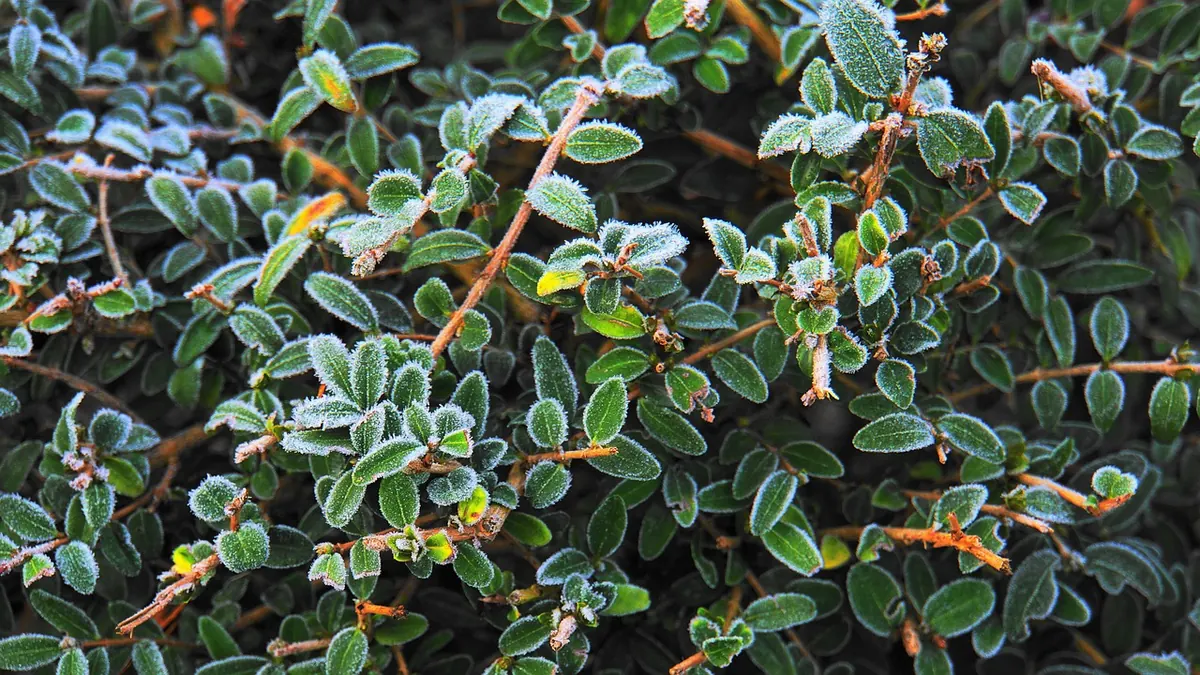
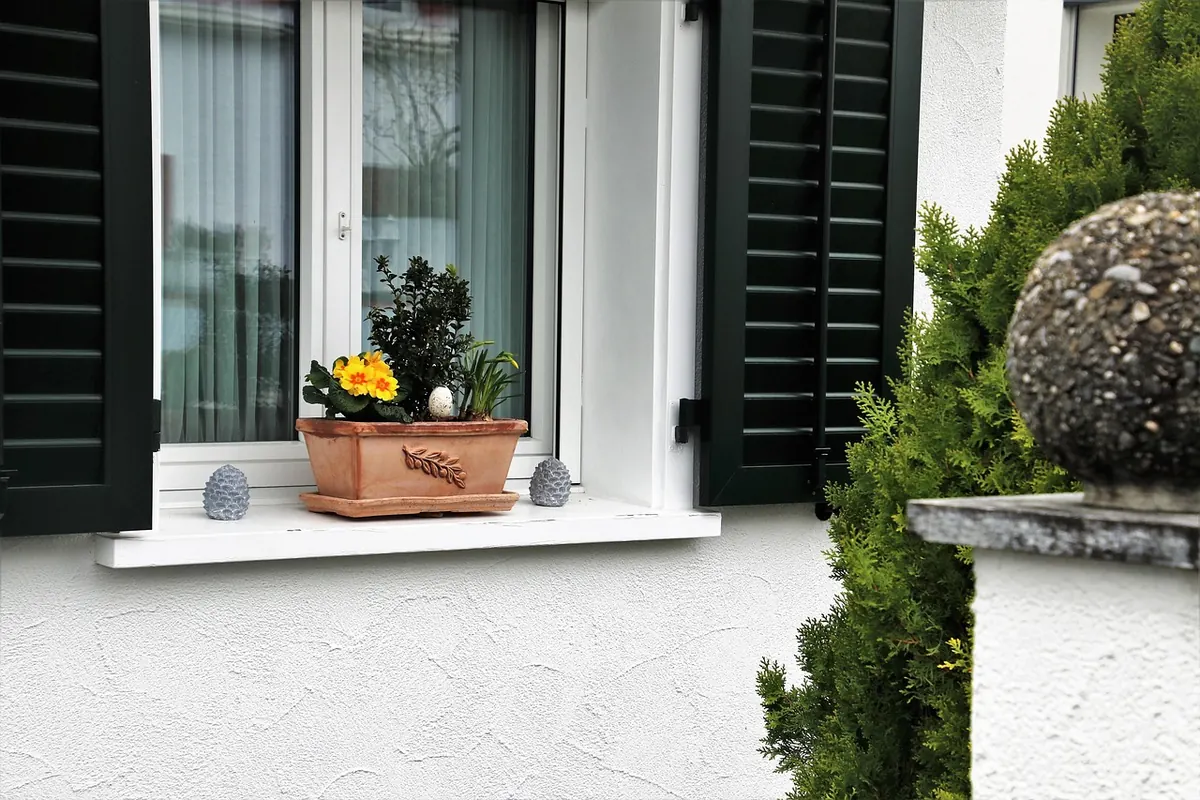
Most herb beds go quiet in November, but quiet is not the same as empty. Rosemary, thyme, sage and bay carry on producing through frost, and with a little shelter parsley, mint and even chives can be picked well into the new year. The trick is knowing which plants genuinely shrug off a British winter, which ones need wrapping up, and how to harvest lightly so there is still something left to grow away in March.
The evergreens that keep producing
These are the backbone of a winter herb garden. They hold their leaves, they keep their flavour, and they ask for very little beyond decent drainage.
Rosemary is tougher than most people give it credit for, but it is killed far more often by wet roots than by cold. In heavy clay, plant it in a raised bed, or in a pot with plenty of grit in the compost. Upright varieties tend to be less hardy than spreading ones, so in an exposed garden choose a bushier type and give it a wall for shelter.
Thyme behaves in much the same way: cold it can take, sitting in a puddle it cannot. A gravel mulch around the crown helps no end. Sage is reliably hardy in its common green form; purple and golden sages are prettier but softer, and often lose their leaves in a hard snap.
Bay sails through most winters once established, though a windy, exposed spot will scorch the leaves brown. Winter savory deserves more attention than it gets — a low, peppery evergreen that keeps going when little else does. Oregano is the quiet success of the group: the common hardy oregano returns year after year, while sweet marjoram, its tender cousin, usually does not.
Herbs that die back but come again
Do not panic when mint, chives, tarragon and lemon balm vanish. The tops die; the roots are alive and waiting.
Mint is the easiest of all to keep going. Lift a few rooted runners in autumn, pot them up and put them on a cool, bright windowsill for fresh leaves in January. Chives can be treated the same way; a pot brought indoors will produce slender green shoots weeks before the garden ones stir. French tarragon disappears completely and reappears in May. It hates winter wet, so mulch it, but keep the mulch off the crown.
Parsley is a biennial, which means a plant that survives the winter will run to flower and seed in spring rather than giving you leaves. Enjoy what it offers now, and sow fresh seed in late winter under cover for a new crop.
Tender herbs: move them or lose them
Basil, lemongrass, lemon verbena and dill will not survive a frost outdoors. You have three options: treat them as annuals, take cuttings in late summer, or bring the pots inside in September before the first cold night.
Indoor basil needs more light than most kitchens offer. A south-facing windowsill is the minimum, and even then growth will be slower and the leaf colour paler. Pinch out the tips to keep plants bushy, water from below, and never let the compost sit sodden.
Coriander is worth a mention because it confuses people. It can overwinter in mild, sheltered spots, but it is short-lived and will run to seed as soon as the days begin to lengthen. Sow small amounts regularly rather than one big row.
Protection: small jobs that make a difference
Wind and water cause more winter losses than temperature does. Work through this list before the first hard frost.
- Move pots against a south- or west-facing wall, where the brickwork holds a little warmth and the wind is broken.
- Stand pots on feet or bricks so the drainage holes are clear of the ground; waterlogging is the fastest way to lose rosemary or thyme.
- Group pots together for mutual shelter — a cluster is warmer than a row of stragglers.
- Mulch around crowns with 5–8cm of bark or garden compost, keeping it away from stems to avoid rot.
- Wrap terracotta pots in bubble wrap or hessian; frozen water in the clay will crack them.
- Use fleece or a cloche over parsley and young plants, lifting it on mild days to let air circulate.
- Leave top growth on evergreen herbs until spring. Cutting back hard in autumn exposes the plant and leaves it with no protection.
- Water sparingly. Established herbs in the ground rarely need any at all between November and February.
Harvesting through the winter
Pick lightly and pick often. A few sprigs at a time will not harm an established plant, but stripping a rosemary bush bare in January can set it back badly. Snip the tips of stems rather than whole branches, and avoid taking more than about a third of any plant.
Choose a dry, mild morning once the dew has lifted. Leaves picked in a hard frost bruise and blacken quickly, and they will not keep. Winter leaves are smaller and tougher than summer ones, but their flavour is often more concentrated — a couple of thyme sprigs will do the work of four. Bay leaves can be used fresh or dried on a rack, and they hold their aroma well.
Grow a windowsill supply
When the garden is frozen solid, the kitchen window becomes the herb bed. Pot up divisions of mint, chives and parsley in early autumn, using a gritty compost and a pot with room to spare. Keep them cool and bright; a sill above a radiator will dry them out and encourage red spider mite and aphids. Check the undersides of leaves weekly, rinse off pests with a gentle spray of water, and keep the air moving.
A simple winter routine
Once a month, walk the herb bed with a mug of tea and do four things: clear fallen leaves and dead stems, check that pots are draining, firm back any plants lifted by frost, and pinch a small handful for the kitchen. In late February, start sowing parsley, chives and coriander under cover for the season ahead.
That is the whole job. Winter herbs are not demanding — they need drainage, shelter from wind and a light hand with the scissors. Give them that and you will be cutting your own sage and thyme while the rest of the garden is still asleep.
Photo: StayRegular / Pixabay