


A south-facing border is the brightest, warmest strip of ground you own, and it will not forgive being planted like any other part of the garden. The soil dries within hours of rain, the wall behind it bounces heat back into the leaves, and anything soft and thirsty will be limp by July. Work with those conditions — silver foliage, aromatic herbs, deep-rooted perennials — and this becomes the border that carries the garden from late spring to the first frosts.
The good news is that a hot border needs less watering, less feeding and far less fuss than a shady one, once it has settled in. It also smells wonderful: brush past thyme or rosemary on a warm evening and you understand why people plant against a south wall in the first place.
Look at the soil before you order anything
Dig a spade in and see what you have. Most south-facing borders are free-draining, often sandy or stony, and dry out fast. Some are heavy clay that bakes hard in summer and sits wet in winter — the opposite problem, and one that needs grit and organic matter worked in well before planting.
Improve the ground in autumn with a layer of garden compost or well-rotted manure and let the worms do the rest. What you should not do is make it rich. Mediterranean plants in fertile soil produce soft, floppy growth that snaps in wind, wilts at the first dry spell and flowers poorly.
Finish with 5cm of gravel or grit. It holds moisture in, keeps weeds down, stops soil splashing onto low leaves, and reflects light back up through the planting. Around lavender and thyme it also keeps the collar of the plant dry, which matters more than most people realise in a wet winter.
Plants that genuinely enjoy the heat
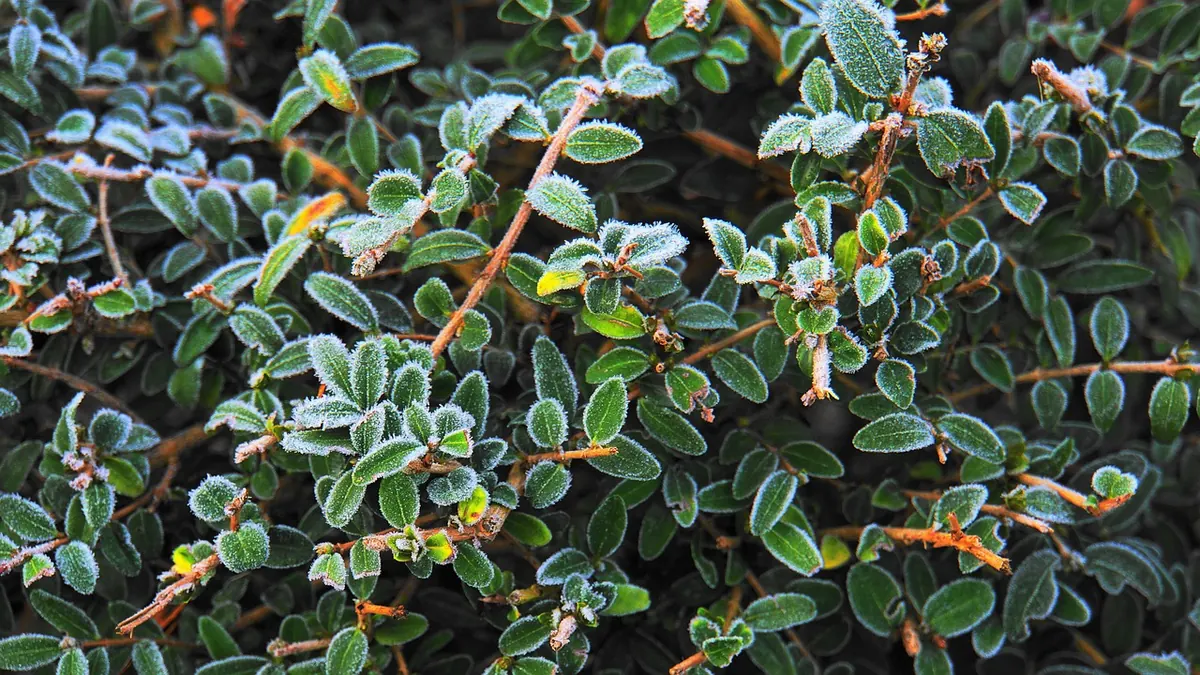
Look at the leaves first. Grey, silver, hairy, needle-like or waxy foliage tells you a plant evolved for drought. These are the ones worth building a hot border around:
- Silver and grey foliage: lavender, santolina, Artemisia 'Powis Castle', Ballota pseudodictamnus, Stachys byzantina.
- Aromatic herbs: rosemary, thyme, oregano, sage, hyssop.
- Long-flowering perennials: Salvia nemorosa, penstemon, Verbena bonariensis, Gaura lindheimeri, echinacea, Hylotelephium (the old sedums).
- Grasses: Stipa tenuissima, Festuca glauca, Anemanthele lessoniana, miscanthus.
- Bulbs for early interest: alliums, tulips, crocosmia, agapanthus.
A few of these spread freely given the chance. Verbena bonariensis seeds itself about, crocosmia forms thick clumps, and Stachys byzantina will colonise any bare gap. That is no reason to avoid them — just pull seedlings early and lift overcrowded clumps every few years.
Layering a border that reads well from the house
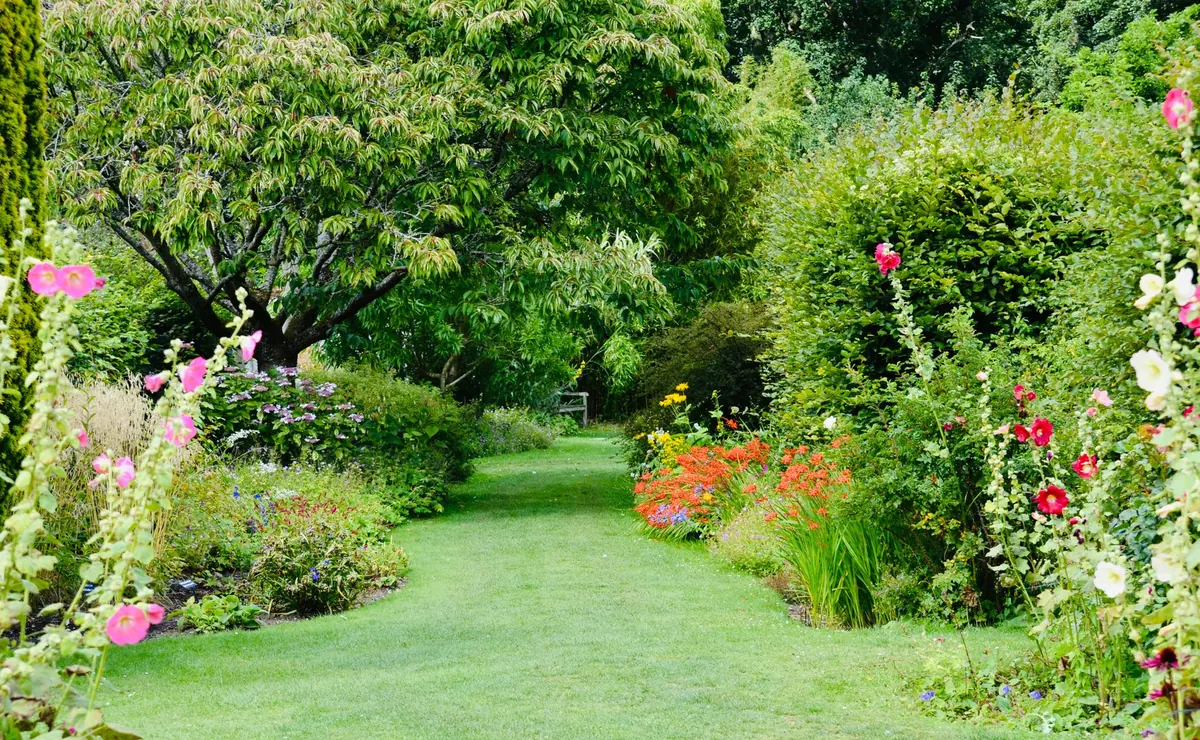
Most south-facing borders are seen from a kitchen window, so they need shape as much as flowers. Build in three depths and the planting will hold together from twelve metres away as well as from the path.
The backbone
Evergreen shrubs give the border a frame in winter and shade the roots of everything in front of them. Rosemary, Cistus, Phlomis fruticosa, caryopteris and perovskia all take heat and reflected light. Plant them towards the back if the border runs along a wall, and give each one room — cramped shrubs lose their shape and turn into a knot of dead twigs.
The middle
This is where the colour happens. Plant perennials in groups of three or five rather than one of everything; repetition is what makes a planting look deliberate. Salvia nemorosa 'Caradonna' with its deep violet spires, Nepeta 'Six Hills Giant' spilling forwards, echinacea and penstemon will flower from June into autumn if you deadhead as you go round with a cup of tea.
The front edge
Low plants that soften the paving: thyme, Helianthemum, Erigeron karvinskianus, low sedums and a few Festuca glauca for a blue-grey note. Nothing here should need staking or cosseting to look decent.
Two schemes worth copying
Blue and silver: rosemary, perovskia, nepeta, Salvia 'Caradonna', Stipa tenuissima and lavender 'Hidcote'. Cool and calm, and it looks at its best in evening light — plant it somewhere you sit.
Hot and dry: Crocosmia 'Lucifer', helenium, rudbeckia, kniphofia and a scattering of orange geum. Louder, and it earns its place in August when the blues have faded. Either scheme holds together provided you run one plant — usually lavender or a grass — from front to back.
Watering, cutting back and the first summer
New plants need help for two summers. Water deeply once a week rather than little and often, aiming at the roots rather than the leaves, and do it in the evening. A daily sprinkle only teaches roots to stay near the surface, which is the last thing you want in a dry border. After that, most plants listed above manage on rainfall, though a fortnightly soak in a long drought keeps flowers coming. Do not feed them: extra nutrients give you leaves instead of flowers.
Cut lavender back lightly straight after flowering, taking the spent stems and a little of the green growth, but never into the old woody base. Leave grasses and seedheads standing through winter for structure and for the birds, then cut them down in late February or March. Perovskia and buddleja are cut hard in spring, once the worst of the cold has passed.
Planting it: a practical order of work
- Watch the border for a week and note where the sun sits at midday. The strip against a wall can be a full zone hotter than open ground.
- Clear weeds properly, roots and all, then work in compost. Add grit if the soil holds water.
- Set the plants out in their pots before you dig a single hole, and shuffle them about until the groups look right. Three of one plant nearly always beats one of three.
- Plant in autumn or spring, in the evening rather than at midday, and water each one in well.
- Mulch with 5cm of gravel, keeping it clear of stems and crowns.
- Water through the first two summers, then leave the border to get on with it.
Planted this way, a south-facing border asks for perhaps an hour a month: a bit of deadheading, a spring tidy, a rake through the gravel. In return you get scent, colour and a border that looks after itself through the hottest weeks of the year — which is more than most of the garden can say.
Photo: Neville Hawkins / Pexels