


Walk down any allotment path in July and you will see the same things: runner beans on wigwams, brassicas under mesh, and a bright row of marigolds at the front of a bed because someone was told they keep trouble away. Some of that advice is genuinely useful. Some has been repeated for so long that nobody stops to ask whether it does anything at all.
The better question is not "what grows well together" but "what does one plant actually do for the other". Once you know the mechanism, you can decide whether a pairing is worth the space on a plot where space is always tight.
What Companion Planting Really Does
Almost all the reliable benefits come down to three things, plus one honest bit of gardening.
- Hiding or confusing a pest. Strongly scented plants can mask the smell of a host crop, or a trap crop can draw pests somewhere you do not mind sacrificing.
- Feeding the insects that eat your pests. Hoverflies, parasitic wasps and ladybirds need nectar and pollen as adults. Their larvae do the pest control.
- Using space and time better. A quick crop between slow rows, or a catch crop before the main one, gives you more from the same bed. This is the most dependable trick of the lot.
- Barriers. Not companion planting at all, but often the thing that actually saves your carrots and cabbages.
Plant Flowers, and Mean It
If you only change one habit this season, make it this: put flowers in the vegetable beds, not just in a strip by the shed. A short row of calendula, phacelia or sweet alyssum at the end of each bed costs you very little ground and gives hoverflies somewhere to feed. Their larvae are voracious aphid eaters, and they turn up within days of a flower opening.
Let herbs bolt as well. Coriander, chervil, dill and rocket left to flower are some of the best insect plants on a plot, and the flowers are small enough for tiny parasitic wasps to use. Fennel belongs in a corner of its own, because it has a long-standing reputation for suppressing plants around it, and it seeds everywhere if you let it.
Pollination matters too. Courgettes, runner beans, broad beans, peas and most soft fruit do better with insects working the flowers. A few borage plants near the courgettes and strawberries is a sensible use of a spare square metre.
Intercropping: The Most Reliable Pairing of All
Forget pest-repelling smells for a moment. The pairings that almost always pay off are about timing and space:
- Sow radish with your carrot seed. The radish germinates fast, marks the row while you wait, and is pulled before the carrots need the room.
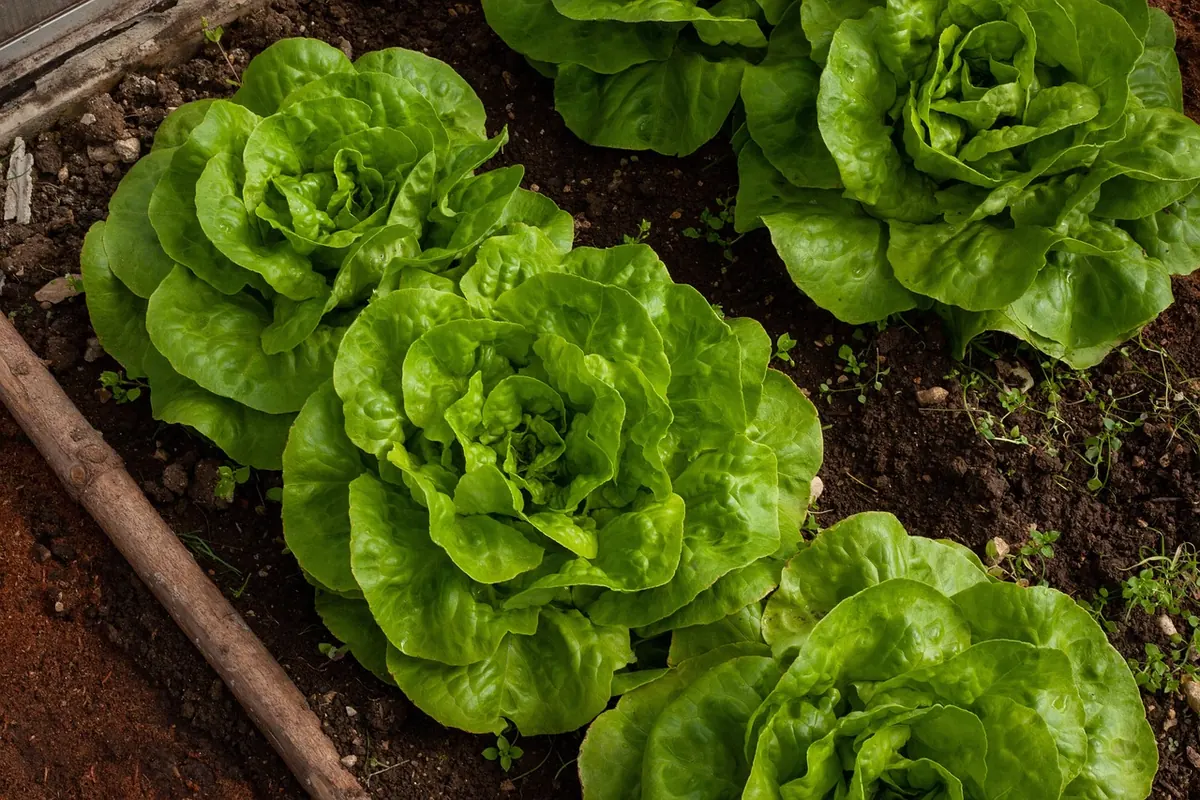
- Plant lettuce between brassica rows in May and June. The cabbages are still small, and the lettuce is cut long before they close over.
- Run spring onions along a carrot row. Both are happy in the same spacing, and you harvest the onions first.
- Try quick salad or spinach under sweetcorn before the canopy closes. After midsummer, the shade makes it pointless.
The reverse also applies. Two hungry, spreading crops in one bed is a recipe for a disappointing harvest on both sides. Courgettes and squash next to sweetcorn sounds clever until the corn is under a duvet of leaves.
Carrots and Onions: The Classic That Disappoints
Every allotment book mentions carrots and onions as a partnership, on the theory that each one's smell hides the other from its fly. It sounds neat. In practice, carrot fly and onion fly both find their hosts perfectly well, and a row of onions alongside does not stop either of them. The reason the pairing persists is that it does no harm and uses the bed efficiently.
If carrot fly is a problem on your site — and on most, it is — the answer is a fine mesh barrier about 60cm high, or an enviromesh cloche over the row, plus thinning in the evening and taking the thinnings well away from the plot. Carrots grown in raised beds at least 60cm off the ground also escape much of the damage, because the fly stays low. Choose a resistant variety as well and you have stacked the odds properly.
The Three Sisters, Reworked for British Weather
Sweetcorn, climbing beans and squash planted together is a lovely idea with a sound basis: the beans climb the corn, the squash covers the ground, and the corn gets the light. The trouble in the UK is our season and our wind. Squash tucked under corn is shaded at exactly the point it needs sun, and a heavy crop of climbing beans can drag a corn stem over in an autumn gale.
You can still use the principle. Grow the three as neighbouring blocks rather than one mound: corn in the middle, dwarf French beans alongside, squash on the sunny southern edge where nothing shades it. You keep most of the benefit and lose far fewer plants.
Claims Worth Treating With Caution
Marigolds and soil pests. French marigolds do have an effect on root-knot nematodes, but most of the evidence comes from glasshouse and container growing, and the effect depends on a dense crop being dug into the soil as a green manure. A tidy row beside your tomatoes is not doing that job. Grow marigolds anyway — they bring in hoverflies and they are cheerful — just do not count them as pest control.
Basil making tomatoes taste better. There is no working mechanism for this one. Basil in the tomato bed is fine, and its flowers are useful for pollinators, but expect no change in flavour from the tomatoes themselves.
Beans feeding their neighbours. Legumes do fix nitrogen, with the help of rhizobia in root nodules. But most of that nitrogen goes into the bean plants, and it is released when the plants are dug in or die back. The benefit lands with the next crop in that bed, which is why legumes make a good predecessor for leafy brassicas. A cabbage growing beside the beans gets very little.
A pairing is worth the space only if you can say what it does, and roughly how.
Putting It Together on Your Plot
A workable plan looks something like this. Keep a permanent flower and herb strip along one edge — phacelia, calendula, borage, sweet alyssum, perennial herbs in pots so mint and fennel cannot roam. Sow a short row of flowers at the end of each vegetable bed rather than one big patch, so the insects are spread across the plot. Cover brassicas and carrots with mesh from the day you plant or sow, and accept that this, not the marigolds, is your pest strategy. Rotate properly: legumes one year, then leafy crops, then roots, then potatoes or onions. Fit quick crops into the gaps between slow ones wherever the soil is warm.
Then write it down. A cheap notebook with a rough plan of each bed and a line on what the aphids and the pigeons actually did is worth more than any list of pairings, because your plot has its own weather, soil and pests. After two seasons your notes will tell you which combinations earned their keep — and which ones you can finally stop planting.
Photo: Filmbetrachter / Pixabay